
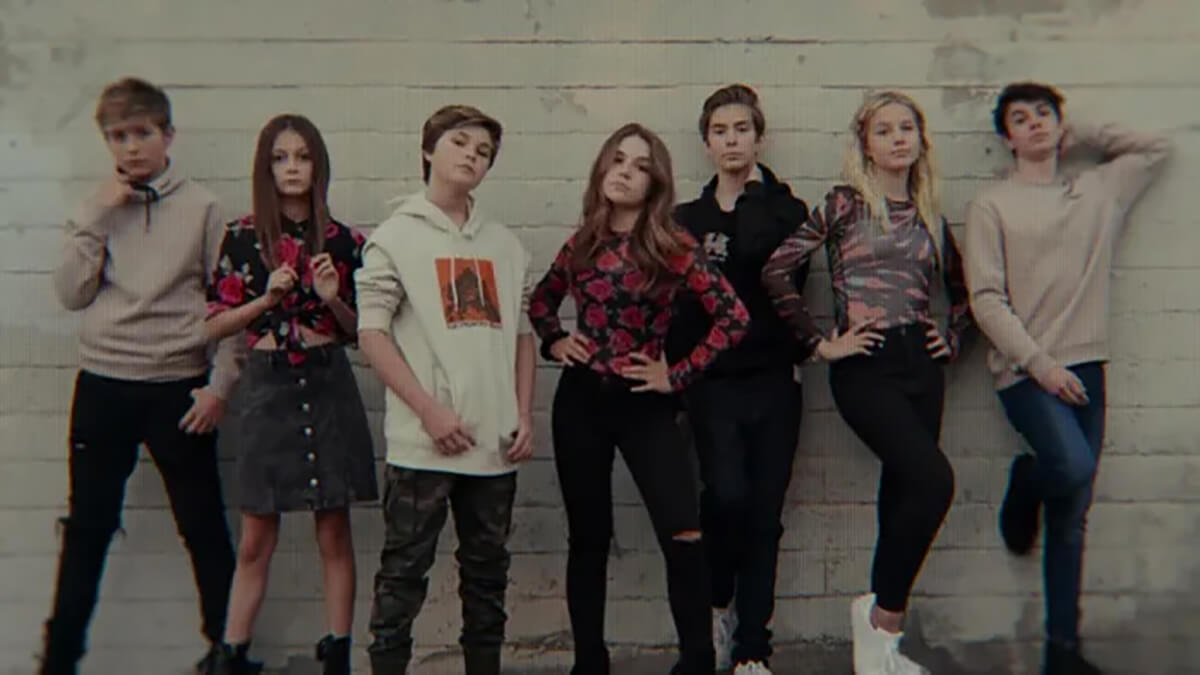
If composition is the structure of a photograph, lighting is its soul. No matter how great your camera is, how attractive the subjects are, or how stunning the location may be—poor lighting can ruin an otherwise perfect shot. This is especially true for group photos, where lighting needs to be consistent, flattering, and wide-reaching to accommodate multiple faces, heights, and positions.
Great lighting does more than just illuminate a scene. It sets the tone, highlights emotion, adds depth, and ensures clarity. In group photography, your ability to control and manipulate light is one of the most powerful tools you have. In this post, we’ll dive deep into everything you need to know about lighting for group photography—natural and artificial—plus how to evenly light large groups and avoid common mistakes.
Why Lighting Matters in Group Photos
Lighting in photography isn’t just about visibility—it’s about visual storytelling. It dictates the mood, adds dimension, enhances facial features, and ensures every member of the group is visible and flattering.
In group photos:
- Uneven lighting can leave people in the shadows or washed out.
- Harsh lighting can create deep shadows or unflattering highlights.
- Dim lighting can lead to blurry or grainy images, especially in low-light settings.
Good lighting brings the group together visually, making the photo cohesive, engaging, and professional.

Natural Light: Beautiful, But Requires Planning
Natural light is one of the most beautiful and accessible sources of illumination. It’s soft, authentic, and doesn’t require fancy gear. However, its quality changes constantly—based on time, weather, and location—so you need to understand how to use it effectively.
Golden Hour: The Photographer’s Best Friend
Golden hour refers to the first hour after sunrise and the last hour before sunset. The sun is lower in the sky, producing a soft, golden light that:
- Minimizes harsh shadows
- Produces warm skin tones
- Adds a dreamy glow to the photo
- Reduces squinting and glare
This is one of the best times to take group photos outdoors. Everyone looks great, the background gets a beautiful hue, and the light is even enough to flatter large groups.
Tips for Golden Hour Group Shots:
- Position the group so the light comes from the side or behind for a warm rim light.
- Use a reflector to bounce light back onto faces.
- Shoot quickly—the light changes rapidly during this time.
Midday Sun: Approach With Caution
Midday sun is often the harshest light you’ll encounter. When the sun is high overhead, it casts short, sharp shadows on faces—especially under the eyes and chin—and can cause people to squint.
Challenges:
- Deep shadows across faces
- Overexposed highlights
- High contrast (especially difficult for large groups with varied skin tones)
- Squinting from the brightness
Solutions:
- Move the group into open shade—under a tree, beside a building, or under an awning.
- Use a scrim (diffusion panel) above the group to soften the overhead light.
- Position the group with the sun behind them, then use fill flash or a reflector to light their faces.
Pro Tip: Don’t avoid midday shoots entirely—just plan ahead to control the lighting environment.
Overcast Days: A Hidden Blessing
Many photographers dread cloudy days, but in fact, overcast skies act like a giant softbox. The clouds diffuse sunlight naturally, softening shadows and producing beautifully even light across the scene.
Benefits:
- No harsh shadows or highlights
- Consistent lighting across faces
- Great for candid or posed group shots
Just be careful not to let your images look flat—you may need to add a pop of contrast or warmth in post-processing.
Artificial Light: Consistency and Control
While natural light is unpredictable, artificial lighting gives you full control. This is crucial for indoor group photography or night-time events where available light is limited or nonexistent.
Softboxes, Ring Lights, and LED Panels
To evenly light a group indoors, consider using the following tools:
- Softboxes
Softboxes diffuse light across a wide area, producing soft, even illumination that’s ideal for flattering skin tones. Great for portraits, and especially useful when lighting multiple people.
- Ring Lights
Commonly used for headshots and vlogging, ring lights are less effective for large groups but can be helpful for small groups (3-4 people) standing close together.
- LED Panels
Lightweight, adjustable, and portable, LED panels are a favorite among event photographers. They often come with adjustable color temperatures, allowing you to match the indoor light to any ambient lighting.
Avoid Mixed Lighting Sources
Mixed lighting refers to the use of two or more types of light with different color temperatures—like natural daylight (cool) and tungsten bulbs (warm). This can lead to unwanted color casts in the photo, making editing more difficult.
For example:
- A subject near a window (natural light) and another under indoor bulbs (tungsten) may appear to have dramatically different skin tones.
How to Fix This:
- Turn off unnecessary light sources.
- Use daylight-balanced bulbs if shooting indoors with window light.
- Set your camera’s white balance manually or shoot in RAW to adjust in post-processing.
Even Lighting Across the Group
One of the biggest challenges in group photography is ensuring that everyone is evenly lit, regardless of where they are standing in the frame.
Why It’s Tricky:
- People on the edges may fall into shadows.
- Taller people may block the light from reaching others.
- Uneven lighting can cause some faces to appear overexposed while others are too dark.
Techniques for Even Lighting:
- Use Broad Light Sources
Avoid spotlights or narrow beams. Instead, use wide light sources like large softboxes or bounce umbrellas that spread light across the entire group.
- Position Lights Above and at an Angle
Position your main light source slightly above eye level and at a 45-degree angle. If you’re using two lights, place them at opposite sides to reduce shadow falloff.
- Use Reflectors
Reflectors are affordable tools that bounce light back into shadows. In group photos, a large silver or white reflector can help brighten the faces of people on the sides or in the back.
- Stagger the Group
Instead of placing everyone in one straight line, position people in layers (sitting, kneeling, standing). This allows the light to travel more evenly and adds visual interest.
Additional Lighting Tips for Group Photos
Watch Out for Glasses and Shine
- Glasses can catch glare from your lights—ask wearers to tilt their heads slightly or adjust the light angle.
- Use powder to reduce shine on foreheads or noses under strong lighting.
Don’t Trust Your Eyes—Trust the Camera
What looks well-lit to the naked eye may appear underexposed or flat in the photo. Take a few test shots, check your histogram, and adjust settings as needed.
Keep Your ISO Low
In low-light situations, it’s tempting to raise ISO to compensate—but this can introduce noise. Instead, use artificial lights or a wider aperture.
Case Study: Indoor Family Reunion
Imagine you’re photographing a large family indoors at night. The ceiling lights are warm tungsten bulbs, and there’s one window—but it’s dark outside.
Without proper lighting:
- People on the couch are well-lit.
- Others standing behind are lost in shadow.
- Mixed lighting causes odd skin tones.
Solution:
- Turn off the ceiling lights.
- Set up two softbox LED lights at 45° angles.
- Position the group in three rows (seated, kneeling, standing).
- Use a reflector at the bottom to fill in shadows under chins.
- Set white balance to “Daylight” to match your LED color temp.
- Result: Even lighting, warm skin tones, minimal shadows, and a cohesive look.
Final Thoughts: Light with Intention
Lighting isn’t just a technical necessity—it’s a creative decision. The way you light a group photo can completely change how it feels: soft and intimate, bold and dynamic, calm and formal. Whether you’re using natural sunlight or an artificial studio setup, always light with intention.
Here’s a quick recap:
- Golden Hour provides flattering natural light.
- Midday Sun requires shade or diffusers to soften harsh shadows.
- Overcast Skies offer natural soft light.
- Artificial Light gives full control—ideal for indoor or nighttime shoots.
- Always light evenly across the group to avoid distracting shadows or highlights.
And remember, even the most beautiful composition won’t matter if half your subjects are lost in shadow. Master lighting, and you master the heart of group photography.
Have a lighting hack that works wonders for your group photos? Share it in the comments! And if you found this guide useful, pass it on to a fellow photographer. 💡📸